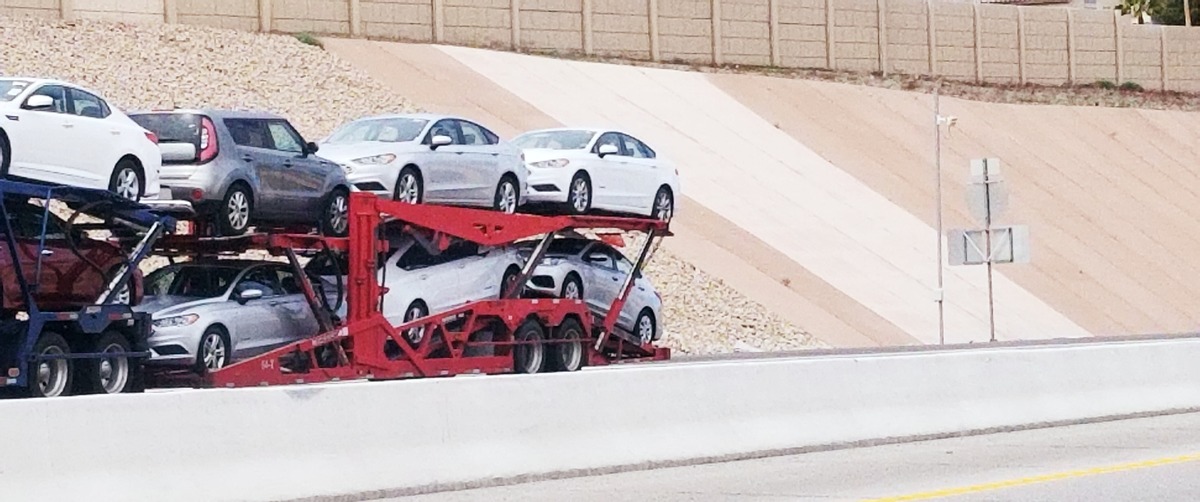




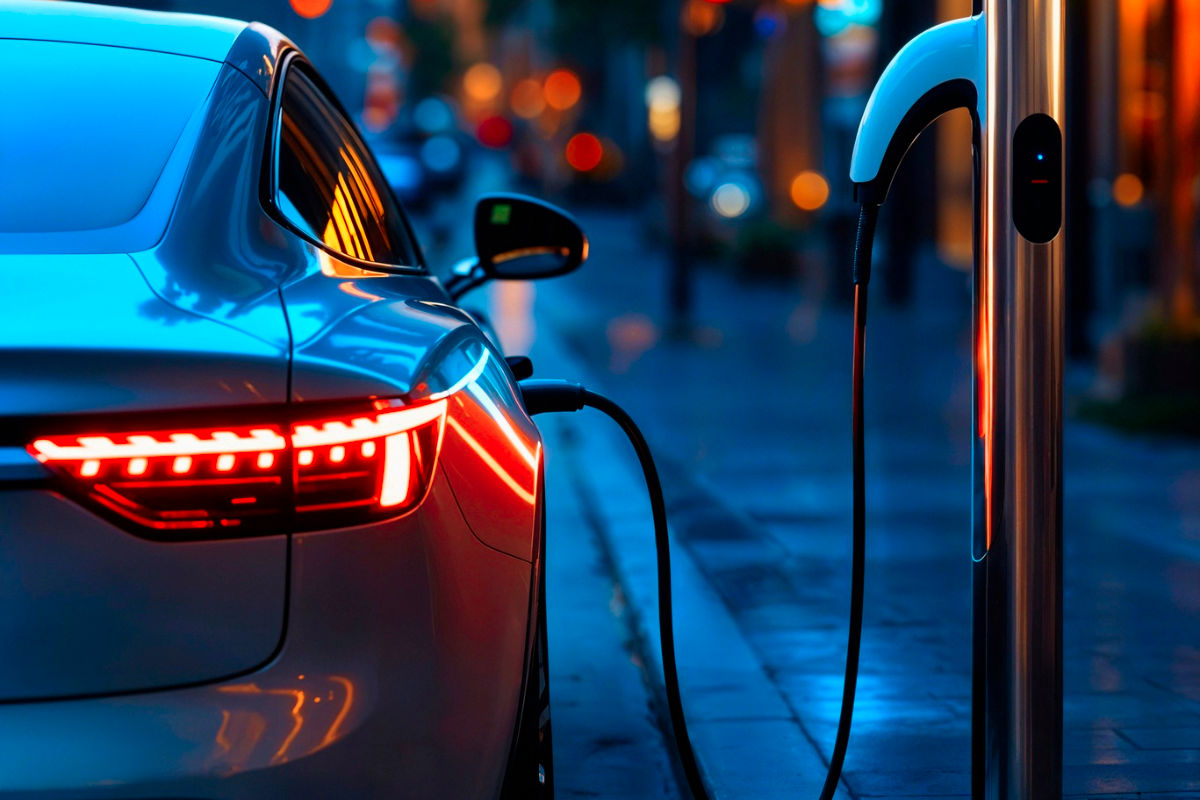
Shipping an electric vehicle starts with confirming its condition, loading requirements and route. Yellowfin Logistics is a transportation broker that arranges vehicle shipping with a carrier. Tell us the EV’s year, make and model, pickup and delivery locations, preferred dates, and whether it can drive, roll, brake and steer.
Request a personalized EV shipping quote and disclose low charge, warning messages, modifications or damage before a carrier is assigned. Compare open and enclosed car shipping and use this guide to prepare for pickup and delivery.
Step 1: Preparing Your EV for Transport
🔋 Set the Battery to the Right Level
Confirm the required battery charge with the assigned carrier and check the transport instructions for your exact vehicle model. Do not treat one percentage range as suitable for every EV or route. Tell Yellowfin before dispatch if the vehicle has very low charge, cannot start or has a battery warning.
The vehicle must be able to load and unload as agreed. Current Yellowfin terms require non-operational vehicles to roll, brake and steer for regular winch loading; other conditions require additional equipment arrangements. Do not assume charging or roadside recovery is included in the shipping service.
🚗 Turn Off Battery-Draining Features
Review your owner’s manual and ask the carrier which alarm, security, scheduled charging or climate features should be adjusted for shipment. Provide the working key, key card or other access method needed for loading and unloading, plus any model-specific instructions.
For example, Tesla’s Model 3 instructions for transporters describe its loading and Tow Mode requirements. Those instructions apply to that model; use the correct manufacturer guidance for your own EV and let the transporter handle loading.
🔌 Secure Charging Equipment
Ask the assigned carrier whether a detachable charging cable may stay in the vehicle and how it should be secured. Do not assume it is covered if lost or damaged. For port shipments, Yellowfin’s current terms require personal and detachable items to be removed and do not allow luggage. Confirm the ocean carrier’s preparation rules before drop-off.
📸 Document the Vehicle’s Condition
Just like with any vehicle shipment:
- Take clear, time-stamped photos from all angles
- Photograph existing scratches, dents, or marks
- Capture the dashboard showing the battery level
This provides peace of mind and documentation should you need it later.
Step 2: What Happens on Pickup Day
At pickup, confirm the truck’s carrier name matches your dispatch information. Review the vehicle inspection report, also called the Bill of Lading, with the driver, record existing damage, and have both parties sign before releasing the EV. Keep a copy and your own condition photos.
Confirm the agreed vehicle condition, access method and model-specific loading instructions with the driver. If the truck cannot safely reach your address, Yellowfin’s terms require a nearby accessible meeting location. Designate a representative in advance if you cannot attend.
Step 3: During Transit — What to Expect
Pickup and delivery dates are estimates, not guarantees. Confirm the schedule for your actual route and carrier rather than relying on a standard EV transit time. Weather, access and other operating conditions can change the plan.
Once a carrier is assigned, Yellowfin provides its name and direct business phone number. Maintain contact with the carrier about schedule changes; Yellowfin remains available in a supporting role. Agree in advance on any charging or vehicle-access arrangements rather than assuming the driver will charge, troubleshoot or update the EV.
Step 4: Delivery Day
Inspect the EV with the driver at delivery, compare its condition with the pickup report and photos, and record any new damage on the final inspection report before both parties sign. Keep copies of the documents.
Under Yellowfin’s current terms, the remaining carrier balance is due on delivery in cash or cashier’s check. Confirm the carrier’s preferred method and payee in advance. For transport damage, note it on the delivery report, pay the shipment balance as required, then contact the carrier and its insurer. Read the current terms and conditions for the full process; coverage and claim outcomes are not guaranteed.
Additional EV Shipping Considerations
While most electric vehicle shipments follow the same process as standard vehicles, there are a few additional factors EV owners should be aware of:
Vehicle Weight & Equipment
Give Yellowfin the exact model and disclose modifications, unusual dimensions, low ground clearance or non-running condition before dispatch so loading and equipment needs can be assessed.
Limited Vehicle Interaction During Transport
Agree on keys, access and any special handling with the carrier before pickup. Do not rely on remote apps as guaranteed shipment tracking or assume charging and troubleshooting are included.
Ocean Shipping
If the route includes a port, confirm that the ocean carrier accepts your specific EV and condition, and obtain its current charge, document and preparation requirements before booking. Ocean transport is subject to that carrier’s terms and limited liability; ask about additional insurance if needed.
Helpful Tips for a Smooth EV Shipment
- Disclose the EV’s condition before dispatch. Include low charge, warning messages, damage and whether it can drive, roll, brake and steer.
- Confirm what the quote covers. Ask about the chosen trailer, loading needs, schedule estimates and payment arrangements.
- Ask about carrier coverage. Confirm policy limits and exclusions for your shipment rather than assuming every risk is covered.
- Prepare for both handovers. Use the car-shipping checklist for access, inspection and delivery planning.
The Bottom Line
An EV shipping plan should match the vehicle’s condition, manufacturer instructions and assigned carrier’s requirements. Confirm these details before pickup and keep the inspection records from both handovers.
Ready to plan your shipment? Request your personalized Yellowfin EV quote with the route, vehicle model, preferred dates and operating condition.