



Open vs enclosed car shipping: which should you choose? Open transport carries your vehicle on an uncovered trailer; enclosed transport carries it inside a trailer with a roof and sides. Open transport is worth considering for an everyday vehicle when limiting cost matters. Enclosed transport is worth considering for a classic, collector, luxury or custom vehicle when reducing exposure matters more. The right choice also depends on your route, vehicle condition and available carrier equipment. Request a personalized quote and tell Yellowfin which options you would like to compare.
Enclosed Trailers
An enclosed trailer adds a roof and sides between your vehicle and outside weather or road debris. That physical barrier reduces exposure, but it does not guarantee a damage-free shipment. Ask about the assigned carrier’s trailer and loading equipment, especially for a low-clearance or modified vehicle.
Open Trailers
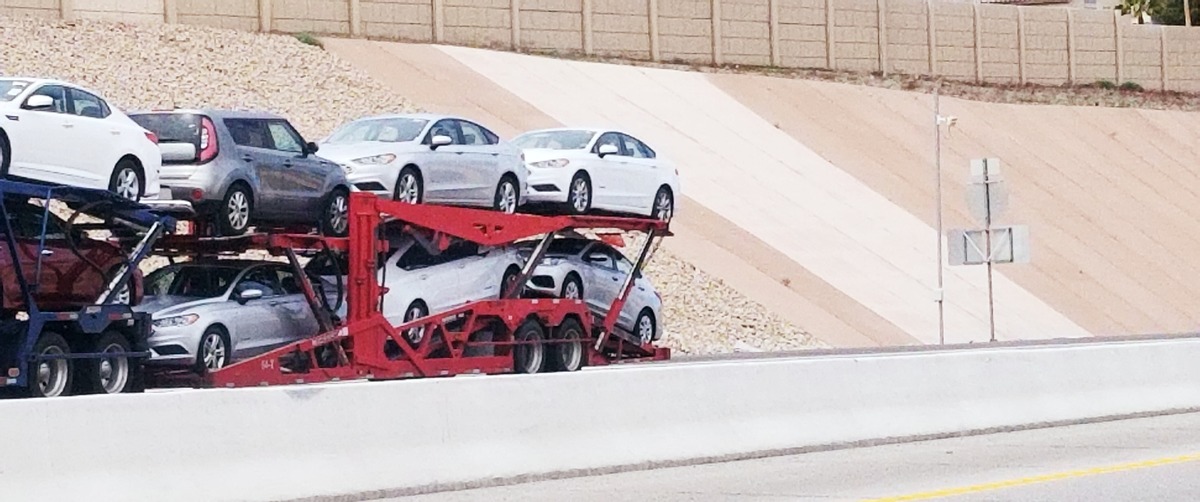
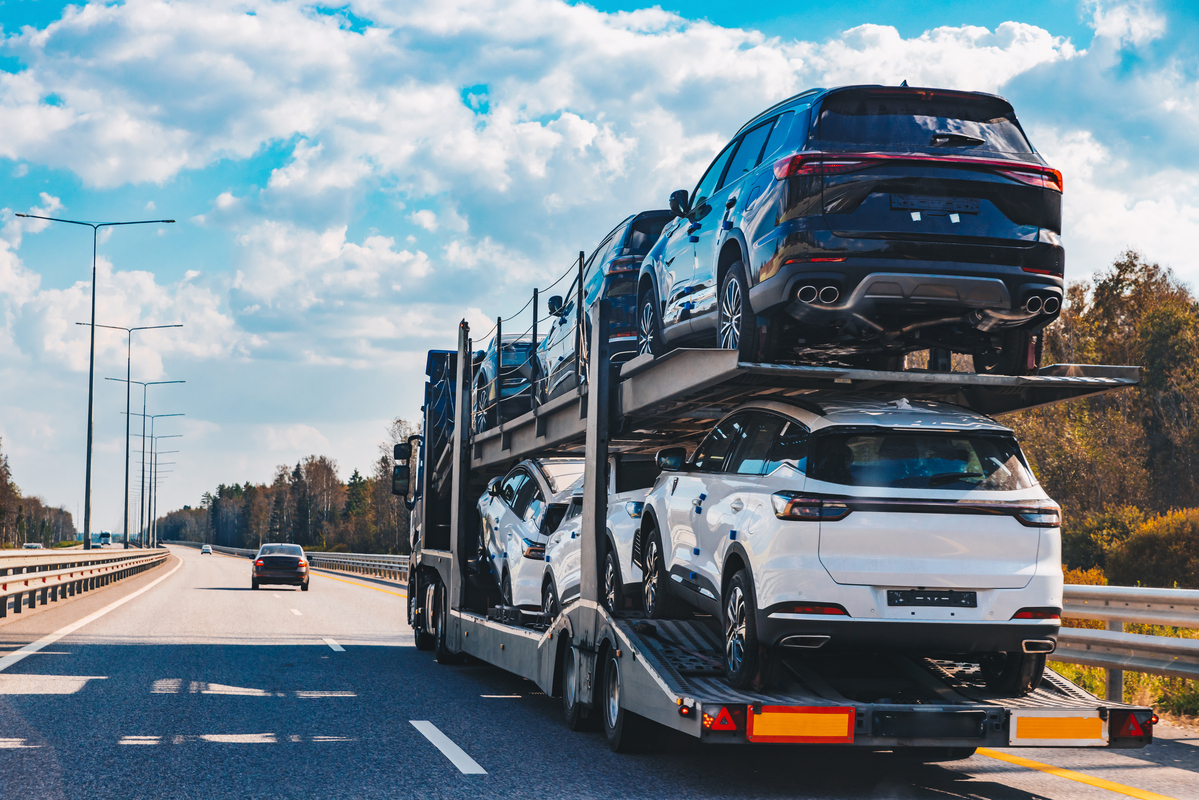
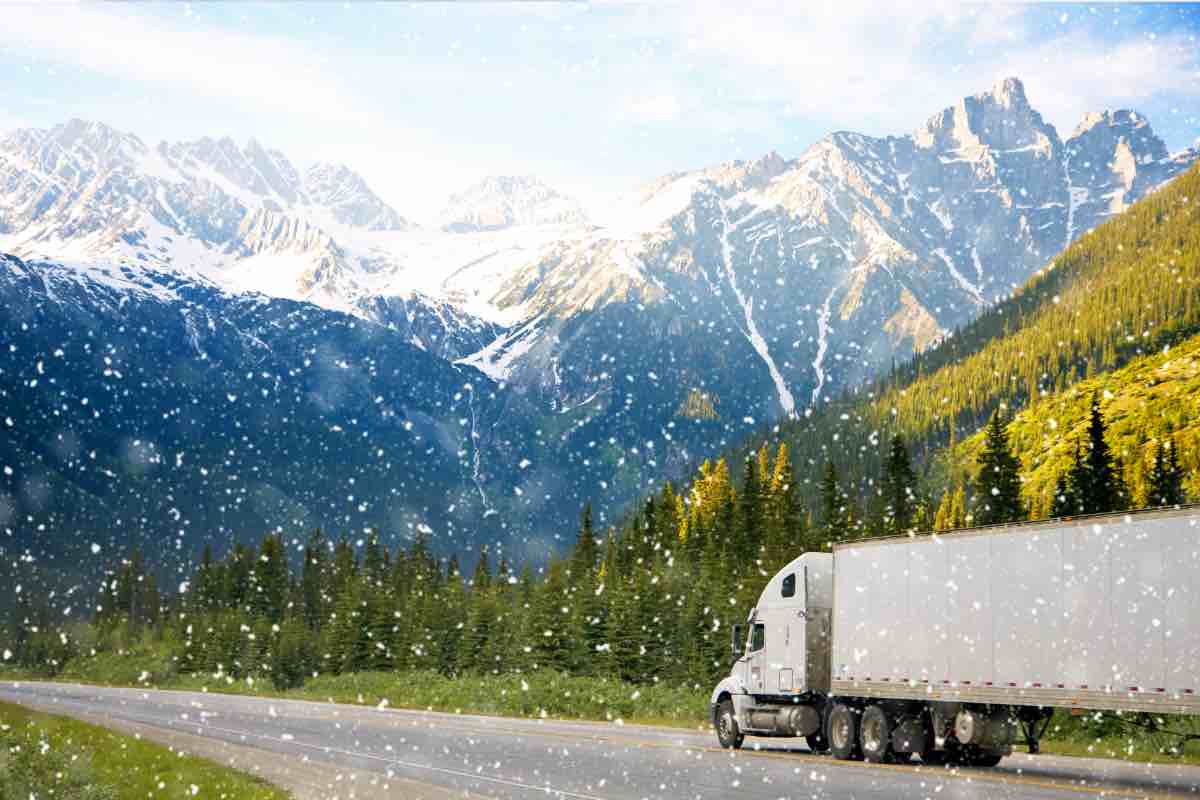
An open trailer has no enclosing roof or sides, so your vehicle travels exposed to weather and road debris. Consider it if you are comfortable with that exposure and want to compare a cost-conscious option. Suitability, price and scheduling must be confirmed for your specific vehicle and route.
Advantages and Disadvantages of Enclosed Trailers
Advantages
- Less exposure: The trailer’s roof and sides provide a barrier from weather and road debris.
- A choice for special vehicles: Consider enclosed transport when protecting a collector vehicle’s finish or reducing exposure is a priority.
Disadvantages
- Compare the actual price: Do not base your decision on a fixed enclosed-price percentage. Request open and enclosed quotes for the same vehicle, route and pickup window.
- Confirm availability: Carrier equipment and route availability affect scheduling. Enclosed transport does not come with a guaranteed pickup or delivery date.
- Check the equipment: Tell Yellowfin about low ground clearance and modifications before dispatch; do not assume every enclosed trailer can load your vehicle.
Advantages and Disadvantages of Open-Air Trailers
Advantages
- A practical option to compare: For an everyday vehicle, ask whether open transport meets your needs at the quoted price.
- Options for different vehicles: Provide the vehicle’s size, modifications and operating condition so the carrier’s loading requirements can be checked.
- Multiple-vehicle planning: If you need to move more than one vehicle, request a quote for the full order rather than assuming a particular trailer capacity.
Disadvantages
- Exposure during transit: An uncovered trailer leaves the vehicle exposed to weather and road debris.
- Special requirements still matter: Low clearance, unusual dimensions or a non-running vehicle require an equipment check before booking either transport type.
What else should you compare before booking?
Price and pickup timing
Use the same pickup and delivery locations, vehicle details and earliest available pickup date when comparing quotes. Yellowfin is a transportation broker that arranges shipment with a carrier. Requested dates and the assigned carrier’s projected schedule are estimates, not guarantees. For a longer move, see our cross-country car shipping guide.
Insurance and vehicle inspection
Enclosed transport describes the trailer, not a guarantee of insurance coverage. Yellowfin’s carrier-approval procedure includes checks for active carrier authority and cargo insurance. Confirm the assigned carrier’s policy limits, exclusions and suitability for your vehicle. At pickup and delivery, inspect the vehicle with the driver and keep the signed inspection reports. Note any new damage on the delivery report and follow the carrier’s claims process and current terms and conditions.
Preparation and your next step
Use the car shipping checklist to prepare for pickup. To compare transport choices for your move, request a personalized Yellowfin quote. Include any low clearance, modifications or non-running condition so the quote reflects your needs.